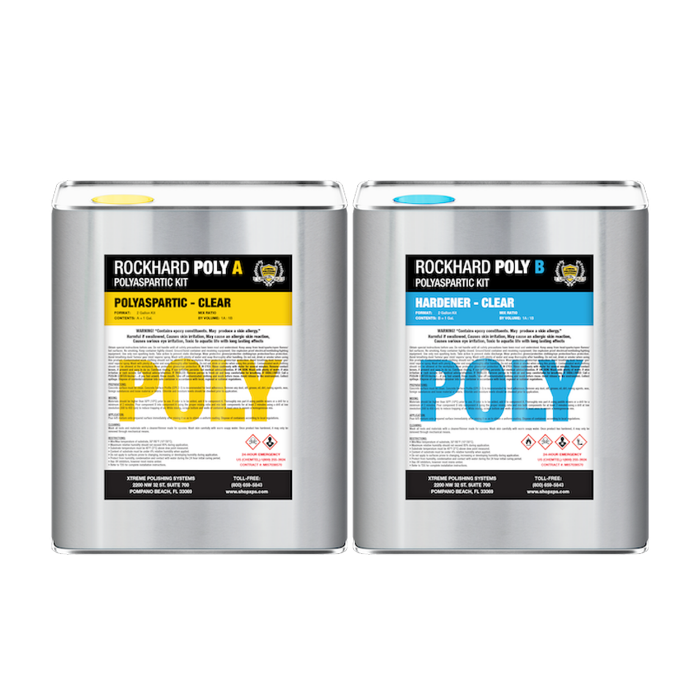
Epoxy flooring protective coatings have become the preferred choice for homeowners and contractors seeking durable, long-lasting floor solutions. Protective polyaspartic resin coatings, in particular are gaining recognition for their superior performance and rapid curing capabilities. For those looking to upgrade their flooring with a coating that combines reliability and professional-grade durability, polyaspartic technology offers an excellent alternative to traditional epoxy.

Our polyaspartic coating products are engineered for homeowners and contractors who refuse to compromise on quality. These advanced protective coatings provide exceptional resistance to UV damage, chemicals, and heavy foot traffic. Seasoned contractor or tackling your first major flooring project, our polyaspartic solutions from EpoxyETC make the application process straightforward and rewarding. Choose polyaspartic coatings and experience the difference that premium floor protection can make.

Shop Online or Call (954) 799-6359!

Why Should I Install DIY Epoxy Resin Floors?

Protective coatings are essential for surfaces exposed to constant wear, UV damage, and environmental stress. If you're protecting a floor, deck, or industrial surface, combine our polyaspartic resin products with proper surface preparation for superior durability against harsh conditions. And for contractors or facility managers, polyaspartic coatings offer flexibility and performance that traditional epoxy simply can't match.

Think of a quality polyaspartic resin solution as an investment in longevity. For commercial spaces or high-traffic areas, polyaspartic is one of the most cost-effective ways to extend the life of your surfaces while maintaining a professional appearance. Here's just a few benefits to a high quality polyaspartic resin coating:

  • Budget-Conscious Protection - Multiple formulations and coverage options let you select a polyaspartic resin solution that matches your project needs and financial parameters while maintaining quality standards.

    Long-Lasting Performance - Polyaspartic resin coatings withstand heavy use, temperature swings, and environmental stress, keeping your surfaces protected and looking new for years.

    Flexible Application Timeline - Choose between fast-cure and standard-cure systems. Fast-cure minimizes downtime; standard options allow more detailed application work.

    Resistant to Chemicals and Spills - These coatings protect against industrial and household chemicals, oils, solvents, and UV damage on concrete, metal, and wood surfaces.

    Low-Maintenance Surfaces - The smooth, non-porous finish resists staining and buildup. Regular wipe-downs keep your surfaces pristine with minimal effort.

    Design Options - Select from various sheens and colors in our polyaspartic resin range to complement your space while delivering protective performance.

    Reliable Professional Finish - Engineered for durability and consistency, these coatings deliver results that match professional installation standards every time.

How to Install Epoxy Resin Flooring

Concrete Garage Floor Surface Preparation

Step 1: Surface Preparation

Optimal adhesion is paramount for any successful epoxy resin application, requiring thorough preparation of the substrate, whether wood or concrete. For concrete, in particular, the preparation phase mandates meticulous planning and careful execution.

This process requires the use of an appropriately sized grinder and a HEPA vacuum system. Installers should research Concrete Surface Profiles (CSP) to identify the specific profile rating required for the chosen DIY epoxy resin to achieve optimal mechanical bonding and cure.

With precise planning and proper execution, the epoxy resin will maintain its structural integrity for years.

Explore Cleaners & Degreasers
Concrete Garage Floor Surface Preparation

Step 2: Apply the Base Coat

Moisture is a critical factor that severely compromises the cured strength of any resin solution, including polyaspartic, epoxy, or 100% solids systems. It is essential to test for and control all sources of environmental moisture. If necessary, install a moisture barrier, such as a mitigation primer, allowing it to cure fully.

Following successful moisture control and cure of the barrier, proceed with the installation of the preferred DIY epoxy resin base coat. This base coat serves as the medium into which vinyl flake chips, silica sand, or other additives and broadcasts are incorporated.

Explore Moisture Barriers
Epoxy Floor Flakes Installation

Step 3: Broadcast, Additives & More (OPTIONAL)

Polyaspartic and epoxy resins are widely recognized for their inherent design flexibility, allowing for a spectrum of finishes.

Just like every other step, you need to be on top of your planning. Determine the required coverage (full or partial broadcast), select the specific additive solution, and finalize all supplementary design elements. It is critical to note that once the base coat cures with the implemented broadcasts, the resulting finish is irreversible.

For the broadcast itself, industry veterans like to use a method sometimes calling "chicken-feeding." In order to get a consistent broadcast rate and coverage, scoop from the bottom of your broadcast and flick the material out in a smooth, but fast, motion. Hold your bucket at a slight angle to encourage that consistent coverage.

Explore Epoxy Vinyl Flake Flooring Chips
Epoxy Floor Flakes Installation

Step 4: Curing the Base Coat

All DIY and commercial epoxy resin kits are supplied with comprehensive manufacturer guidelines detailing curing times, optimal environmental conditions, and other essential specifications required to maximize product performance. Adhering to these guidelines is crucial, as patience is rewarded with DIY resin systems.

For accelerated project completion without compromising performance, polyaspartic resin offers superior curing speed. If time constraints are a factor in the project timeline, opting for a polyaspartic coat is a viable option to achieve faster return-to-service rates.

Explore Top Selling Products

Step 5: Apply the Topcoat

Your topcoat installation should go similarly to your basecoat, but you may still decide a different path. Some DIY & commercial flooring installers choose polyaspartic topcoats to complement their epoxy base coat. This gets you the best of both worlds!

Polyaspartic resin is chosen for topcoats due to its UV stability and strength, but that's not all it boasts. While traditional epoxy resins take multiple hours, if not days, to cure, polyaspartic can be installed and cured in just one afternoon!

Don't be afraid to reach out to our sales representatives to get a second opinion on what solution fits your project best.

Explore DIY Epoxy Resins

Step 6: Curing the Topcoat

The topcoat, similar to the base coat, requires a complete cure to achieve its specified performance characteristics.

For as long as you can manage, up to 72 hours, restrict foot traffic on the newly coated floor. Letting your resinous coating system cure for a duration slightly exceeding the manufacturer's recommended cure schedule is a great precautionary measure.

The final cure time is essential to prevent premature failure after the entire application process.

Explore Epoxy Resin Topcoats

Where DIY Epoxy Resin Is Used

Polyaspartic resin coatings stand out as the premier choice for protective surface solutions. Their true advantage lies in their exceptional durability and versatility. Few protective coatings can match their ability to perform flawlessly whether protecting a residential garage floor or an industrial warehouse facility! Here are just a few of the practical applications for our polyaspartic resin protective coating products:

Polyaspartic Resin Residential Protection

Garage Floors
Driveways
Patios
Basement Floors
Kitchen Countertops
Bathroom Surfaces
Pool Decks
Workshop Floors

Polyaspartic Resin Commercial & Industrial Protection

Warehouse Floors
Manufacturing Facilities
Automotive Shops
Food Processing Areas
Retail Spaces
Parking Structures
Equipment Rooms
Heavy Traffic Zones

Your DIY Resin System Choices: 1-Day vs. 2-Day

Protective coatings demand versatility, and polyaspartic resin delivers exactly that. Whether you need maximum durability for harsh environments or rapid application for time-sensitive projects, polyaspartic resin solutions provide the performance you're looking for. When combined with epoxy systems, you gain both strength and speed.

Polyaspartic protective coatings have become the industry standard for a reason. Experienced applicators choose these systems because they offer superior UV resistance, chemical protection, and fast turnaround times. We've built our product line around proven application methods that contractors trust.

Most professionals rely on two core system approaches for their protective coating installations:

1-Day Rapid Cure Polyaspartic System: A high-performance protective coating built entirely on polyaspartic resin technology. With proper preparation and application expertise, you can achieve a fully cured, protective finish in a single day. The fast cure time requires skill and confidence, but the results speak for themselves.

2-Day Epoxy + Polyaspartic Dual System: A layered protective coating that combines epoxy base coat strength with polyaspartic topcoat performance. Epoxy's chemical resilience creates a durable foundation, while polyaspartic's UV stability and rapid cure deliver superior surface protection and faster project completion.

DIY Garage Flooring with Epoxy Resin and Vinyl Flake Chips

Call them what you want: polyaspartic coatings, protective resin finishes, or durable floor sealers, they've earned the respect they get. Polyaspartic resin products are an incredibly easy-to-apply solution which provide a massive upgrade to any flooring project. They've become especially popular in DIY garage flooring projects due to their durability, chemical resistance and improvements to longevity and overall performance.

We offer polyaspartic protective coatings in a variety of formulations:

• Fast-cure (quick turnaround)
• Standard-cure (balanced performance)
• Extended-cure (maximum workability)

Our line of polyaspartic resin products also pairs perfectly with our many additive options; color pigments, vinyl flake chips, silica sand and more! That means you get all the protection your floors deserve, without skipping out on beauty.

FAQ

What's The Difference Between Epoxy And Polyaspartic Coatings?

Epoxy and polyaspartic coatings are both excellent protective solutions, but they differ in key ways. Epoxy coatings cure slowly over several days, offering exceptional durability and chemical resistance, making them ideal for long-term protection on concrete and metal surfaces. Polyaspartic coatings cure much faster—often in hours—and provide superior UV resistance, so they won't yellow or fade in sunlight.

This makes polyaspartic the better choice for outdoor applications and high-traffic areas where quick turnaround is important. Epoxy typically costs less upfront, while polyaspartic commands a premium for its speed and UV performance. Both deliver strong adhesion and chemical resistance, but polyaspartic's rapid cure time and weather resistance make it preferred for commercial projects with tight timelines or exterior exposure.

How Long Does Polyaspartic Resin Last on Floors and Outdoor Surfaces?

Polyaspartic resin coatings typically last 10-15 years on floors and outdoor surfaces when properly applied and maintained. The lifespan depends on several factors including climate conditions, foot traffic, UV exposure, and maintenance practices. Indoor floors generally last longer than outdoor surfaces due to reduced environmental stress. Regular cleaning and periodic resealing can extend the life of your coating significantly.

EpoxyETC's polyaspartic solutions are engineered for durability and long-term performance, providing reliable protection for both residential and commercial applications.

How Long Does Polyaspartic Resin Take to Cure Compared to Traditional Epoxy?

Polyaspartic resin typically cures significantly faster than traditional epoxy. While standard epoxy coatings can take 24 to 72 hours to fully cure, polyaspartic resin often reaches full cure in just 4 to 8 hours. This accelerated curing time means you can return to normal use of your surface much sooner, reducing downtime and allowing for faster project completion.

The rapid cure also makes polyaspartic resin ideal for high-traffic areas or situations where you need quick results without sacrificing durability or protection.

Are Polyaspartic Resin Coatings Resistant to Chemicals and Oil Spills?

Polyaspartic resin coatings offer excellent chemical and oil resistance, making them ideal for environments where spills and harsh substances are a concern. These coatings create a protective barrier that resists damage from oils, solvents, fuels, and many industrial chemicals. The dense, non-porous surface prevents liquids from penetrating and staining the underlying substrate, which is why they're trusted in garages, workshops, manufacturing facilities, and commercial spaces.

Whether you're dealing with automotive fluids, industrial solvents, or accidental spills, polyaspartic coatings provide reliable protection that keeps your floors and surfaces looking clean and undamaged for years to come.

How do traction additives improve safety and durability in protective coating systems?

Traction additives enhance safety and durability in protective coating systems by creating a textured surface that prevents slipping on floors and ramps, even when wet or exposed to oils and chemicals. These microscopic particles are distributed throughout the coating to provide consistent grip without compromising the underlying protective properties.

By improving traction, they reduce the risk of accidents while the coating's chemical and abrasion resistance remains intact, extending the lifespan of both the surface and the safety features it provides. This makes them essential for high-traffic areas, industrial floors, and any environment where slip resistance is critical to performance and worker protection.

What Do I Need to Start Installing Epoxy Floors & Other Resinous Coatings?

Flooring contractors need a high quality toolkit to get the best floors for their clients. For that, we recommend starting with a good floor grinder, diamond grinding tooling, a HEPA vacuum, squeegees, rollers, mixing buckets, spike shoes, crack repair materials, and moisture meters. If you need help filling in your toolkit with professional grade resources, our sales representatives are on call ready to help you out.

Why Should I Choose Protective Coatings & Polyaspartic Resin Products From EpoxyETC?

Here at EpoxyETC, we believe that protective coatings should deliver durability and performance without breaking the bank. Our polyaspartic resin products are engineered to provide superior protection with a professional finish that's easy to apply. Whether you're a DIY enthusiast or a seasoned contractor, our protective coating solutions are built for reliability and results. We stand behind every product with complete transparency - review our Safety & Technical Data Sheets and you'll have the confidence that comes with knowing exactly what you're applying.

Why Does Polyaspartic's UV Resistance Matter?

Polyaspartic coatings excel where UV resistance matters most. Unlike standard epoxy, polyaspartic resins resist yellowing and color fading even under intense sunlight, making them ideal for outdoor surfaces, patios, and exposed concrete. This UV stability means your coated surfaces maintain their clarity and appearance for years without degradation. Whether protecting decks, driveways, or exterior metal, polyaspartic's resistance to UV damage ensures long-lasting color retention and structural integrity. Choose polyaspartic when you need a coating that stays vibrant and protective in full sun conditions.